
Molly's Cockles and Mussels
 Over a year ago
7,023 views
Ingredients
- 750 grams live cockles, you could use clams
- 750 grams live mussels
- 150mls white wine
- 1 tablespoon vegetable oil
- 1 medium onion, finely chopped
- 1 clove garlic, minced
- 1 stick of celery, finely chopped
- ½ red pepper, finely chopped
- 3 tablespoons finely chopped carrot
- 2 tablespoons finely chopped sage leaves
- 2 teaspoons fresh thyme leaves
- 1 400 gram tin of chopped tomatoes
- Salt and black pepper
- 2 tablespoons roughly chopped parsley
Accompaniment
Sponsored
Nederburg Cabernet Sauvignon Rose
This beautiful rose wine is made entirely from Cabernet Sauvignon grapes, fruit driven, refreshing with abundance of berry flavours and a pleasant long finish.
Description
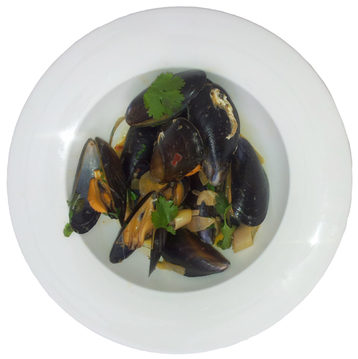
Cockles, Mussels, Sage, Thyme, and a blend of Onions, Garlic, Celery, Peppers, and Carrots combine to intensify elements of flavours to a modest sauce of tomatoes and wine.
Method
-
1
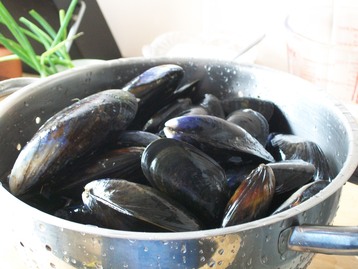
Wash the cockles and mussels in a few changes of cold water, scrubbing to remove any beards still attached to the shells, throw away any that are damaged, or opened, (those that do not close when tapped) place the remaining shellfish in a large bowl, cover with cold water and set aside to soak for an hour.
Drain the shellfish thoroughly and place in a large saucepan or mussel pot, add the wine, cover, and cook over a high heat for 2 to 3 minutes until all the shells have opened.
Strain off the cooking liquid and reserve, get rid of any shellfish that have not opened pick half the shellfish from the shells and leave half in their shells.
Heat the vegetable oil in a saucepan, add the onion, garlic, celery, red pepper, carrot, thyme and sage and cook over a gentle heat until softened add the tomatoes and bring to a boil, stirring often cook for 3 minutes, and then add the set aside cooking liquid from the shellfish, return to the boil lower the heat and simmer for an additional 3 to 4 minutes, stirring frequently.
Stir the cockles and mussels into the sauce and add salt and pepper to taste stir in the parsley.
Serve and enjoy with fresh crusty bread or tasty vegetable rice.
Chef's Tips
These are John’s notes about mussels he explains it better than I can,
Mussels are truly one of nature’s most delightful delicacies, they are extremely high in proteins, calcium, and iron while being low in fat and calories. They are also excellent for your heart, containing the highest amount of omega3’s of any shellfish (this is the naturally occurring fatty acid that is believed to lower blood pressure).mussels with fries or Moules frites are a characteristic Belgian dish, you get a big bowl (just about always pot) of steamed mussels, broth, and a side of frites.
Don't be tricked by how upmarket they look, mussels are the definitive uncomplicated seafood. Clean them, sauté them, steam them and hey up you'll have a dish everyone will be wowed there are many ways to serve the mussels, but the most classic is Moules Mariniere the mussels are offered in a sauce of white wine, shallots, parsley, and butter.
You can in addition find mussels served with sauces made with beer, or cream, or vegetable stock. For the greatest authenticity, use a shell to crack open the mussels, not your fork.
Mussels are at their best in cold weather, so their season is usually from October to March. When you see them in a fishmonger’s, a sign of freshness is that most of them are tightly closed: if there are a lot of open mussels don’t bother. When buying mussels you need to allow at least 1 pint (570 ml) per person for a first course, and 1½ to 2 pints (about 1 litre) for a main course. That may seem a lot, but some will have to be discarded and, once they have been shelled, mussels are very small and light.
The ritual of cleaning and preparing them sounds more bother than it actually is. When you get them home, plonk the mussels straightaway into a sinkful of cold water. First of all throw out any that float to the top, then leave the cold tap running over them while you take a small knife and scrape off all the barnacles and pull off the little hairy beards. Discard any mussels that are broken, and any that are open and refuse to close tight when given a sharp tap with a knife. After you’ve cleaned each one, place it straight in another bowl of clean water.
When they’re all in, swirl them around in three or four more changes of cold water to get rid of any lingering bits of grit or sand. Leave the cleaned mussels in cold water until you’re ready to cook them. As an extra safety precaution, always check mussels again after cooking this time discarding any whose shells haven’t opened.



Comments (0)