
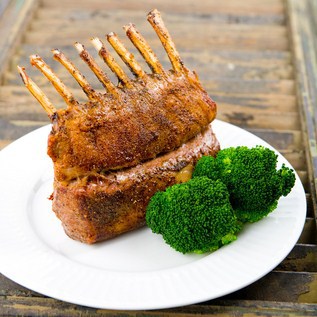
Rack of Lamb with a Herbes de Provence and Pinot Noir Sauce

Ingredients
- 1 tablespoon olive oil
- 1 kilo 350 grams neck of lamb or stewing lamb
- 450 grams onions. coarsely chopped
- 1 large Carrot coarsely chopped
- 4 large cloves garlic chopped
- 1 tablespoon Herbes de Provence (Provençal herbs). see my recipe
- 4 ½ cups Pinot Noir or other dry red wine. a good Gamay is great for this recipe though I have made it with a Nuits-St-Georges
- 3 cups good strong chicken stock
- 1 tablespoon butter. room temperature
- 2 teaspoons plain flour
- 1 cup finely chopped fresh Italian parsley
- ¼ cup finely chopped fresh thyme
- ¼ cup finely chopped fresh rosemary leaves. or to taste
- ¼ cup finely chopped fresh sage
- 1 tablespoon ground black pepper
- 5 tablespoons olive oil. divided
- 3 by 650 grams well-trimmed 8-rib racks of lamb. preferably frenched (see note)
Accompaniment
SponsoredLouis Jadot Macon Blanc - Featured BBC 2 What to eat now
Minerally, unoaked with lemon and apple fruit character, delicate and well balanced. Founded in 1859 this label has become the reliable stamp of quality and consistency. The Maconnais is located in the Southern part of Burgundy, close to the famous Cote d'Or a region ideal for growing Chardonnay. Buy this wine if you like: Chardonnay with mineral freshness and delicate friut.
Description
This mouth-watering rack of lamb is effortless to make, served with a tasty Pinot Noir sauce, this makes it an impressive recipe for that exclusive dinner.
Method
-
1
To Make The Sauce:
Heat the oil in heavy large pan over medium to high heat. Add the lamb and sauté until a nice deep brown, turning occasionally, about 8 minutes. Using tongs, transfer the lamb to a bowl. Add the onions, carrot, garlic, and Herbes de Provence to the pan and sauté until the vegetables are deep brown, about 8 minutes. Add wine and stock to the pan, return the lamb and any accumulated juices to the pan.
Bring to a boil, reduce the heat to medium-low, and simmer uncovered for 1½ hours.
Strain into large bowl, pressing on the solids in strainer to release all the stock. Spoon off any fat from the surface of the stock and return the stock to the same large pan. Simmer until reduced to 1 and 1/3 cups, about 15 minutes.
Mix the butter and flour in small bowl to smooth paste and then whisk the paste into the stock. Simmer the sauce until slightly thickened and smooth, whisking constantly, about 1 minute longer.
Season with salt and pepper (The sauce can be prepared 1 day ahead). Transfer to a small saucepan, cover, and chill. Re-warm before using.
To Make The Lamb:
Stir the fresh herbs and pepper in a medium bowl to blend, add 2 tablespoons of oil and mix until the herbs are sticking together.
Sprinkle the lamb racks with salt, firmly press 1/3 of the herb mixture over the rounded side of each rack to cover. (This can be prepared 1 day ahead).
Place on large rimmed baking sheet. Cover and chill.
Preheat the oven to 350°F / 180°C / Gasmark 4.
Heat 3 tablespoons of oil in large non-stick frying pan over a medium-high heat. Add 1 lamb rack to the frying pan, herbed side down.
Sauté until browned, about 4 minutes. Turn the rack over and sauté until browned, about 3 minutes. Place rack, herbed side up, on rimmed baking sheet Repeat, fitting the remaining racks on the same sheet.
Roast the lamb until a meat thermometer inserted into the centre registers 135°F for medium-rare, about 25 minutes. Let the lamb rest on the sheet 15 to 20 minutes.
Cut the lamb between the bones into individual chops, and arrange 3 chops on each plate, drizzle with the sauce
Serve and Enjoy!
Chef's Tips
A butcher will French the racks for you, but it is easy and fun to do this yourself.
Simply cut along the back of the rack, just above where the meaty part of the lamb is. Turning the knife upwards, scrape the gristly meat off to expose the rib bones. Cut between each of the ribs, taking out the tiny amount of meat found there. Scrape away the bones until they are clean and white. Lay the rack down, back uppermost, and make shallow criss-cross incisions in the fat.
We like to serve this dish with a Brunoise of vegetables and steamed Jersey Royal potatoes. Here in the United Kingdom British spring lamb is especially hard to beat and you have the luxury of eating it with local spring vegetables so I use baby spring vegetables such as carrots, purple sprouting broccoli and calabrese broccoli from Lincolnshire and other regions of Britain, chicory, garlic, leeks, mint, onions, parsley, parsnips, radishes, seakale, sorrel and spring greens will be in season. Later on about mid April you will find spring cabbage, carrots, dandelion, wild garlic, kale, leeks, wild mushrooms, Jersey Royal potatoes, radishes, wild sorrel, spinach and watercress. Broad beans, peas, asparagus and caulis (cauliflowers) will be fresh in season towards the end of British springtime, instead of the Brunoise of vegetables.
Similar Recipes
View all similar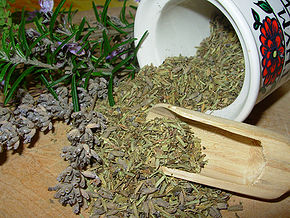


Comments (0)